
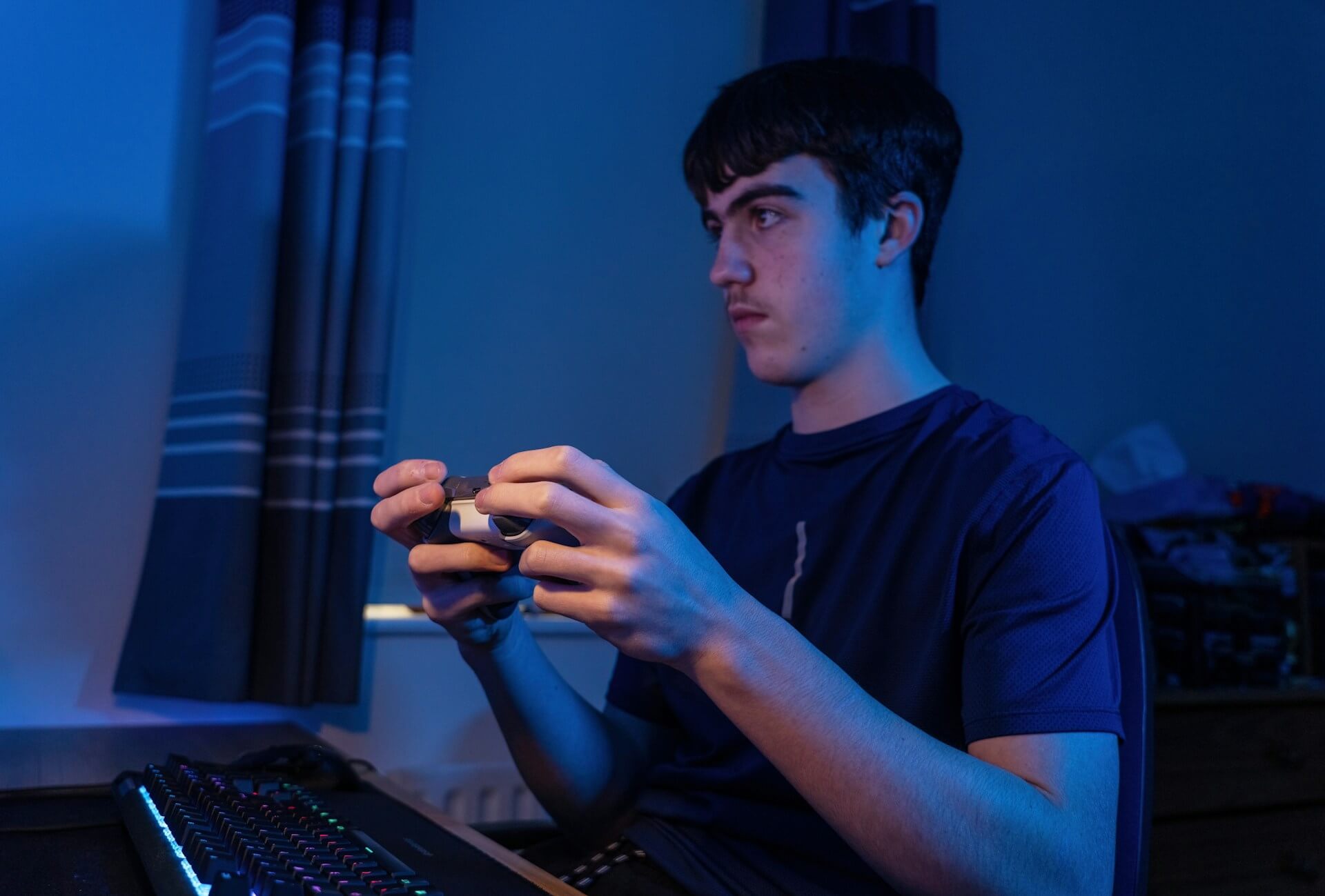
Online gaming can be a fun way to unwind, connect with others, and build new friendships. It creates a shared digital space where people with similar interests can hang out and be part of a larger community. But sometimes, it becomes easy to get pulled in too deep. What starts as a hobby can quickly turn into something that takes over your time, focus, and well-being if you’re not careful.
Setting boundaries with online gaming communities isn’t about cutting yourself off. It’s about creating a balance that helps protect your mental health, social life, and overall happiness. Whether you’re gaming yourself or watching a loved one disappear into long hours behind a screen, learning how to set limits and stick to them can make a big difference.
The Impact of Online Gaming on Mental Health
Spending too much time in gaming communities can sneak up on people. What begins as nightly check-ins to play a few rounds or chat with friends can grow into hours of nonstop engagement. This level of involvement can affect a person’s mental and emotional state, especially if it starts to replace real-life interaction, disrupt sleep, or lead to negative feelings when time away from the screen is required.
Some signs that online gaming might be hurting your well-being include:
– Losing track of time or neglecting responsibilities to keep playing
– Choosing game time over family or friends regularly
– Feeling irritable or anxious when not connected to your gaming community
– Falling behind in school or work tasks
– Not getting enough sleep because of late-night play
Gaming can feel like a safe space, especially for those who struggle socially. But even the most welcoming community has its limits. Engaging too much can lead to stress, burnout, emotional fatigue, and isolation. Arguments or toxic behavior within online spaces can also create emotional upheaval that spills into offline life. When mental health begins to suffer from too much time spent gaming, it’s time to step back and reassess.
Identifying Healthy Boundaries
Healthy boundaries give you a clear line between enjoyment and overload. They’re like invisible guardrails, helping you control how you interact with games and others online. When those guardrails aren’t there, things can spiral. Instead of fun, games start to feel like a demand, an escape, or even an obligation.
Here are a few simple ways to recognize and create healthy boundaries:
– Set daily or weekly limits. Decide ahead of time how many hours of gaming feel good and what works with your daily routine.
– Schedule screen-free hours. Block out time each day for offline activities like walking, reading, or spending time with people face-to-face.
– Prioritize responsibilities first. Use gaming as a reward after completing tasks rather than something that gets in the way of them.
– Turn off notifications. Reduce the urge to always log in or respond by muting alerts from gaming apps or chat threads.
– Know your emotional cues. Pay attention to how you feel before, during, and after gaming. If it leaves you feeling drained or tense, reconsider how much time you’re spending on it.
Boundaries aren’t about punishment or missing out. They’re about reclaiming your time and choosing what adds genuine value to your life. Even if others in your gaming circle are always online, that doesn’t mean you need to be. Everyone has their own comfort zone, and it’s okay to protect yours.
Strategies for Maintaining Boundaries
Once you’ve set some healthy boundaries, the next step is sticking to them. That’s usually where things get tricky. Games are designed to keep your attention, and friends in online communities may pressure you (knowingly or not) to stay longer than you had planned. But with a clear plan and some tools in your pocket, it’s possible to follow through on your goals.
Here are a few ways to support your boundaries even when gaming feels tempting:
– Use screen-time tracking apps. These can send alerts when you’ve hit your limit or help block access after a certain number of hours.
– Set a timer before you begin. Keeping track of time helps you avoid mindless scrolling or unplanned marathon sessions.
– Create tech-free zones or hours in your home. Maybe it’s no phones or gaming before breakfast or in bed at night.
– Let your gaming friends know your limits. Most reasonable people will respect your choices if you’re upfront about your needs.
– Reflect on how you feel after sessions. If you start feeling guilty, wired, or exhausted, that’s info you can use to adjust your limits moving forward.
Let’s say someone always gamed late into the night then struggled to get out of bed for work. Setting a strict 9 p.m. cut-off made evenings feel less rushed and mornings much easier. It took time, but once it became a habit, it made weekends way more fun. The trick isn’t avoiding the game or un-friending people, it’s choosing how and when to connect so it fits with the rest of life.
How Gaming Addiction Counseling Can Help
Even with the best intentions, some people feel stuck. They might want to play less, step back from toxic online spaces, or reconnect with their offline values but just can’t seem to break the cycle. That’s when getting help becomes a strong next step. Gaming addiction counseling gives people a space to talk it out without judgment, understand what’s fueling their habits, and build tools for healthier choices.
Counseling can help individuals recognize the emotional patterns tied to their gaming life. It often isn’t just about the game. It might be stress relief, loneliness, or pressure to keep up with others socially. A trained counselor knows how to sort through those feelings, help someone name their triggers, and offer guidance customized to who they are and what they need.
If you or someone you care about is feeling overwhelmed by gaming, especially when it becomes hard to step away or feels more like a need than a want, counseling can be a great support. It’s private, focused entirely on your experience, and led by someone whose only goal is to help you sort it out.
At Winter Garden Wellness, our gaming addiction counseling supports people who want to build better habits and reconnect with what matters most. Our counselors are ready to meet you where you are and help you find a new rhythm that supports long-term personal wellbeing.
Finding Your Balance Again
Gaming should feel fun, not like something that controls your time or energy. When online communities start to take more from you than they give, it’s okay to pause and rework your routine. Boundaries don’t have to be fixed forever. They grow and shift as your needs and lifestyle change. Giving yourself permission to set limits is the first step back to feeling more at ease.
If things feel off, that gut feeling is worth trusting. You don’t have to explain it to anyone else or justify your decision to unplug a little more often. Between setting boundaries, sticking with them, and asking for help when needed, you can build a routine that puts you back in the driver’s seat. Prioritizing time, energy, and relationships offline can open the door to more peace and stability, both on and off the screen.
If you’re finding it hard to manage your gaming habits and think it might be impacting your wellbeing, we’re here to support you. At Winter Garden Wellness, our gaming addiction counseling can help you regain control over your routine and find more peace in your day-to-day life. Let’s work together to build a healthier balance that works for you.