
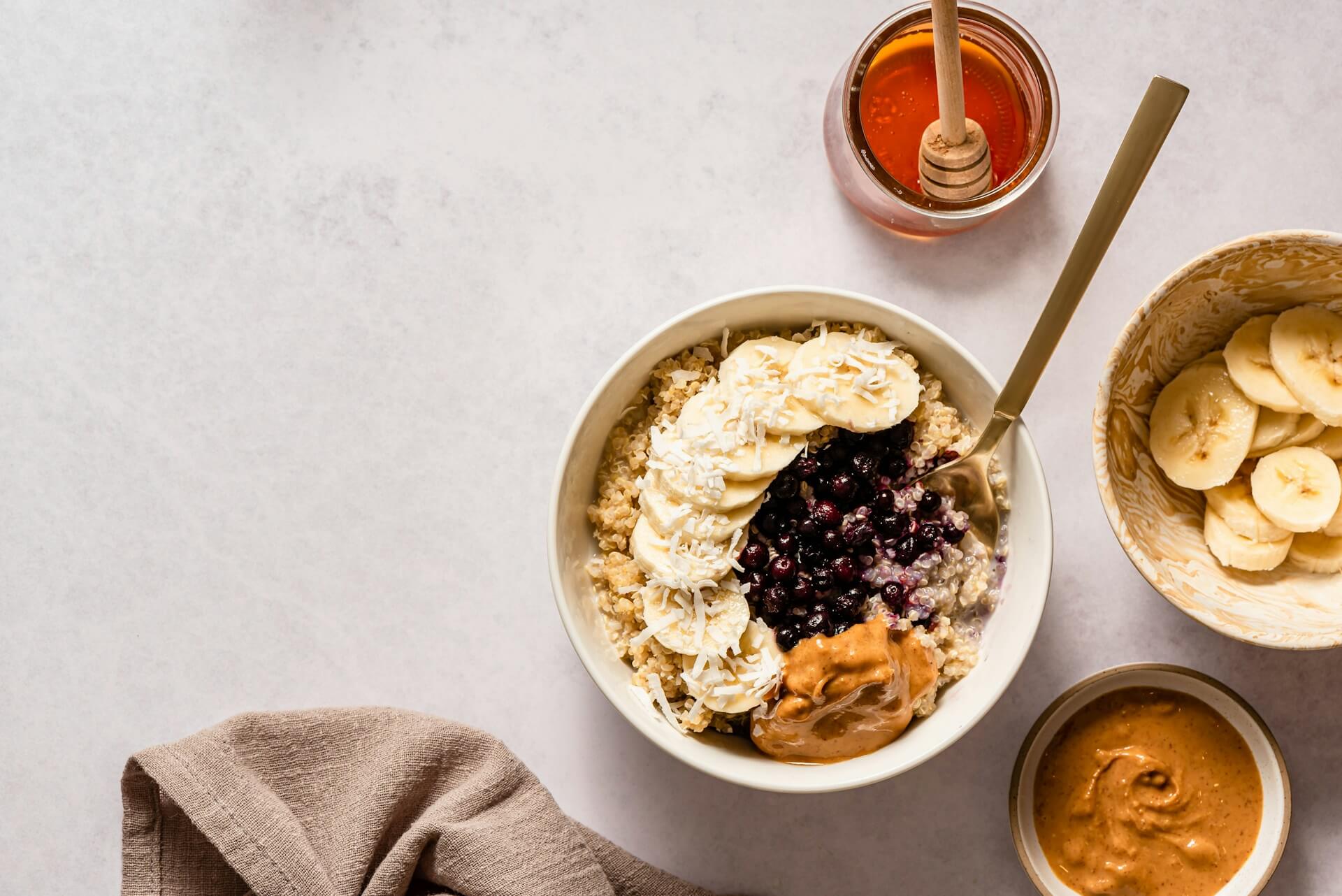
Starting your day with a solid breakfast can make all the difference in how you feel and function. When mornings get rushed, it’s tempting to skip it or grab something quick and sugary. But what we eat first thing can really shape energy levels, focus, and even our mood throughout the rest of the day. Rather than thinking of breakfast as just another box to check, thinking of it as fuel can help shift how we approach it.
Creating healthy breakfast routines doesn’t need to be complicated or time-consuming. With a little planning and the right mix of food, mornings can become something to look forward to. And when your choices line up with realistic nutrition and diet planning, your body and mind feel the positive effects all day. Whether you’re juggling a busy work schedule or helping your kids get out the door, beginning the day with the right fuel matters.
Benefits Of A Healthy Breakfast
A good breakfast does more than just fill you up. It gives your body the nutrients it needs to wake up and start working properly. Maybe you’ve noticed that on the mornings you get a balanced meal, you’re more alert, less irritable, and more focused. That’s no accident. Your brain and body both need steady fuel after a night of sleep to function well.
Eating early in the day helps:
– Kickstart your metabolism and digestion
– Support brain function like concentration and memory
– Keep blood sugar levels more balanced
– Curb hunger later, helping with portion control at lunch and dinner
It doesn’t mean you need a giant meal. Even something small and balanced can give you the energy kick your body’s looking for after sleeping. Think of breakfast like the foundation of a building. It doesn’t have to be fancy, but if it’s missing or thrown together with uneven parts, it’s harder to have a steady day.
Key Components Of A Balanced Breakfast
When putting together a breakfast that supports energy, the combination of foods matters. You want something that doesn’t wear off too fast, but you also want it to be simple enough to stick with, especially on busy days.
Try including a mix of these:
1. Protein: Helps build and repair muscles but also helps you feel full longer. Easy go-tos include eggs, Greek yogurt, cottage cheese, tofu, or nut butters.
2. Healthy Fats: Slows digestion and keeps energy steady. Think avocado, nuts, seeds, or a drizzle of olive oil in a smoothie.
3. Whole Grains: Offers fiber and lasting energy. Oatmeal, whole grain toast, or granola with low added sugar are good options.
4. Fruits or Vegetables: Adds natural sweetness, vitamins, and fiber. Try adding berries to oatmeal, spinach in an omelet, or banana in a smoothie.
Here’s a simple example of how this might look: a slice of whole grain toast topped with avocado and an egg, plus a small bowl of berries on the side. It checks all the boxes without being complicated.
Eating this way in the morning helps keep your energy levels steady instead of spiking and crashing. You’ll be more likely to stay focused and less likely to grab snacks later to stay awake.
Practical Tips For Breakfast Planning
If mornings feel rushed or unpredictable, planning breakfast ahead of time can really help. Having a few go-to meals ready or prepped makes it easier to avoid grabbing packaged snacks or skipping everything altogether. The goal is to keep things simple and doable, not complicated.
Here are some ways to stay prepared:
– Make overnight oats in jars at the beginning of the week. Add oats, milk or dairy-free alternatives, chia seeds, and a bit of fruit. Store them in the fridge, then just grab one in the morning.
– Boil a few eggs ahead of time. They can be eaten as-is, sliced on toast, or crumbled into a wrap.
– Prep smoothie packs by freezing fruit in individual portions. In the morning, blend with yogurt or milk and a scoop of protein powder or nut butter.
– Set the table or prep dishes the night before to save a few minutes in the morning hustle.
– Rotate a weekly breakfast menu so you’re not making decisions every day. For example, oatmeal on Mondays and Wednesdays, toast and eggs on Tuesdays and Thursdays.
Even just a little organization can reduce stress and make breakfast a natural part of the day. And the more you find options that work for your schedule and taste preferences, the more likely you’ll stick with it.
Overcoming Common Barriers
There’s no shortage of reasons people give for skipping breakfast. Too rushed. Not hungry. Nothing sounds good. These are all real obstacles, but they don’t have to get in the way every day.
If you’re short on time, portable foods might be your best bet. Things like hard-boiled eggs, banana and peanut butter, or a yogurt cup with granola on the side take barely any time to grab and eat on the go.
If you wake up not feeling hungry, try something lighter at first. A smoothie, a slice of toast with nut butter, or even just a piece of fruit with a handful of nuts can ease your body into eating earlier in the day. Hunger cues often shift when your body gets used to a new routine. You might find that within a week or two of eating a small breakfast regularly, your appetite works its way up to something more filling.
For those who simply don’t like traditional breakfast foods, that’s okay too. There’s no rule that says breakfast has to be cereal or toast. Leftovers from dinner, like lean meat and vegetables, can be just as energizing. You can reheat some quinoa and roasted veggies or eat turkey slices rolled up with cheese and a piece of fruit on the side. What matters most is how the food makes you feel and how easily it fits into your morning rhythm.
Making Breakfast A Habit
Consistency is what turns a healthy choice into a daily habit. Starting small helps. Don’t feel like every breakfast needs to be a perfect picture of nutrition. Focus more on making it regular and realistic.
You might begin with just one or two days a week that are fully planned, then build from there. As it starts to click, breakfast becomes a part of your structure. Once it feels like a normal part of your day, just like brushing your teeth, it takes less effort to keep going.
Another helpful way to stay on track is to check in with how you feel through the day. On days when breakfast is skipped or light on protein, you might notice mid-morning crashes or a harder time concentrating. Compare that to days with a balanced meal and see what works better with your body. That feedback helps shape stronger routines over time.
Think of breakfast less as a performance and more like a rhythm. It doesn’t have to be impressive or follow trends. It just needs to work for your body and your schedule. Find a few base foods you like, tinker around with mix-ins and portions, and give yourself some room to adjust. Over time, these small steps build a habit that helps carry your energy and focus through the day.
Start your journey to better mornings with thoughtful nutrition and diet planning. At Winter Garden Wellness, we’re here to help you make choices that support your energy, focus, and overall well-being from the moment your day begins. With the right habits, you can turn breakfast into the foundation for a more balanced and fulfilling routine.