
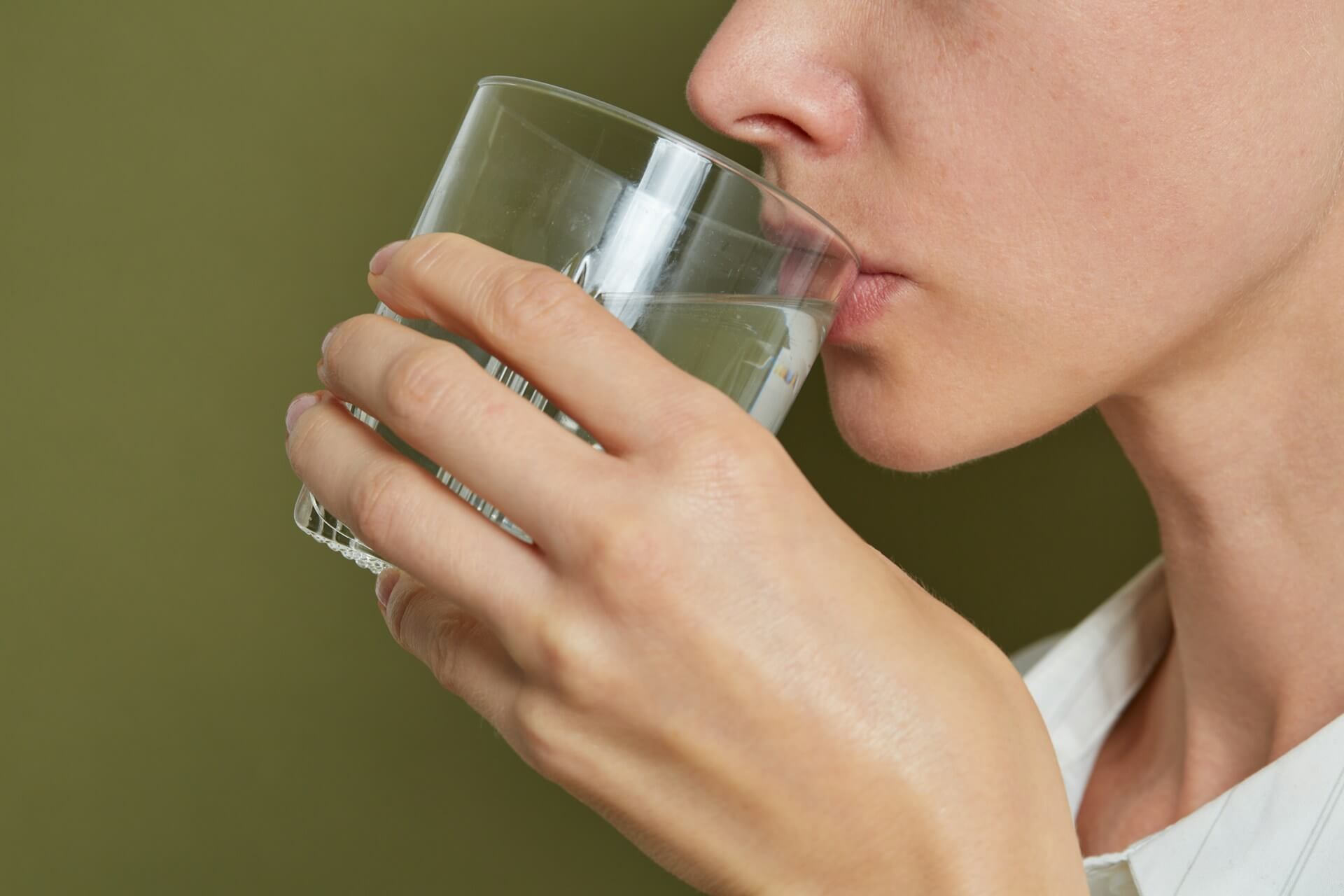
Water plays a big part in our everyday lives, yet it is easy to overlook its importance, especially when talking about diet and nutrition. Keeping your body well hydrated helps everything function better, from digestion to energy levels. When you’re drinking enough water, you may feel better and notice improvements in your overall health. It’s surprising how such a simple act can change the way you move through your day.
Building habits that support hydration can lead to real, long-term benefits. It’s a small step that makes a big difference in creating balance and nourishment. Think of it the way you’d care for a plant. Just like a plant wilts without water, our bodies rely on it to stay strong and feel good. As we go deeper into this topic, we’ll show how drinking enough fluids fits into your larger nutrition goals and supports a healthier lifestyle.
Why Hydration Matters
Water plays many important roles in the body. It’s involved in breaking down food, which allows your body to absorb nutrients more easily. It also helps move those nutrients around and clear out waste. You can think of it like your body’s internal transportation system. Without enough water, that system slows down.
Staying hydrated improves energy and focus. You might notice that when you’re dehydrated, you feel sluggish, get headaches, or have trouble concentrating. When you’re hydrated, you tend to feel more alert and active. Having enough water can make everyday tasks feel easier, from walking to thinking clearly.
Here are several ways water supports how your body works:
1. Helps with digestion and absorbs nutrients more efficiently.
2. Supports temperature control through sweating.
3. Keeps the joints lubricated and moving well.
4. Helps organs like the kidneys flush out waste.
5. Supports brain function and focus.
Water is more than just a healthy choice. It’s something your body depends on to keep things running. Creating a routine around staying hydrated is a simple move that can make you feel your best, and it fits right into an overall nutrition and wellness plan.
Hydration and Weight Management
Drinking water can also be useful for managing your weight. One of the simple reasons is that water helps you feel full. For example, a glass of water before lunch or dinner can reduce the urge to overeat. Sometimes when we think we’re hungry, we’re actually just thirsty.
Hydration even helps your metabolism. When well hydrated, your body uses energy more smoothly. It’s like trying to drive a car on low fuel versus a full tank. Water helps your body burn what it needs without strain.
Here are a few ideas you can try:
1. Drink a glass of water 15 to 30 minutes before meals.
2. Swap out sugary drinks with water or herbal teas to reduce extra calories.
3. Carry a small water bottle so drinking throughout the day becomes easy.
Making this part of your daily habits helps you naturally manage appetite, support digestion, and avoid reaching for extra snacks.
Practical Tips for Staying Hydrated
Drinking more water every day doesn’t have to be a big challenge. Small habit changes are all it takes, and your efforts can build up over time. Start with the basics like drinking a glass of water first thing in the morning. It’s easy, and it quickly becomes part of your morning routine.
Try these simple tips to keep hydration on your mind:
1. Add fruit like lemons, oranges, or berries to your water to make it taste better.
2. Set reminders on your phone or smartwatch to drink water during your day.
3. Keep a refillable water bottle near you at work, at home, or in the car.
4. Try caffeine-free herbal teas instead of plain water once in a while for variety.
Once drinking water becomes part of your routine, you’ll notice that you reach for it more often without having to think much about it.
Common Hydration Myths Debunked
There’s a lot of confusion when it comes to staying hydrated. Some common ideas just aren’t true, and knowing the facts helps you make better choices.
A few popular hydration myths include:
1. Coffee and tea don’t count: Wrong. While too much caffeine isn’t ideal, moderate amounts of things like coffee and tea still help you hydrate.
2. Thirst always means dehydration: Not necessarily. You can already be dehydrated before you feel thirsty, which is why staying ahead of it matters.
3. You always need sports drinks after exercise: You only really need sports drinks if you’ve been doing long or high-intensity activity. For most people, water does the job without added sugar or salt.
Understanding which liquids help and how your body signals for water helps you hydrate smartly, not just frequently.
Water: Your Partner in a Healthy Lifestyle
Water is an easy but often overlooked part of balanced living. It helps with food digestion, energy, focus, and even managing weight. Whether you’re building new healthy habits or fine-tuning what you already do, hydration deserves a spot in your routine.
Think of water as an everyday partner in your overall wellness effort. It supports what your body is already doing and helps you get the most out of your nutrition plan. Start with small changes, like an extra glass of water each day or using fruit to make your water more fun. Little shifts often lead to big outcomes in how you feel.
When you pay attention to your water intake, you’re not just satisfying thirst. You’re giving your body what it needs to function better—today, tomorrow, and into the future.
Quenching your thirst with water is an easy way to support a nutritious lifestyle. If you’re looking to integrate hydration more effectively as part of your health journey, explore our approach to nutrition and diet. Winter Garden Wellness can guide you in making mindful choices that align with your wellness goals.