
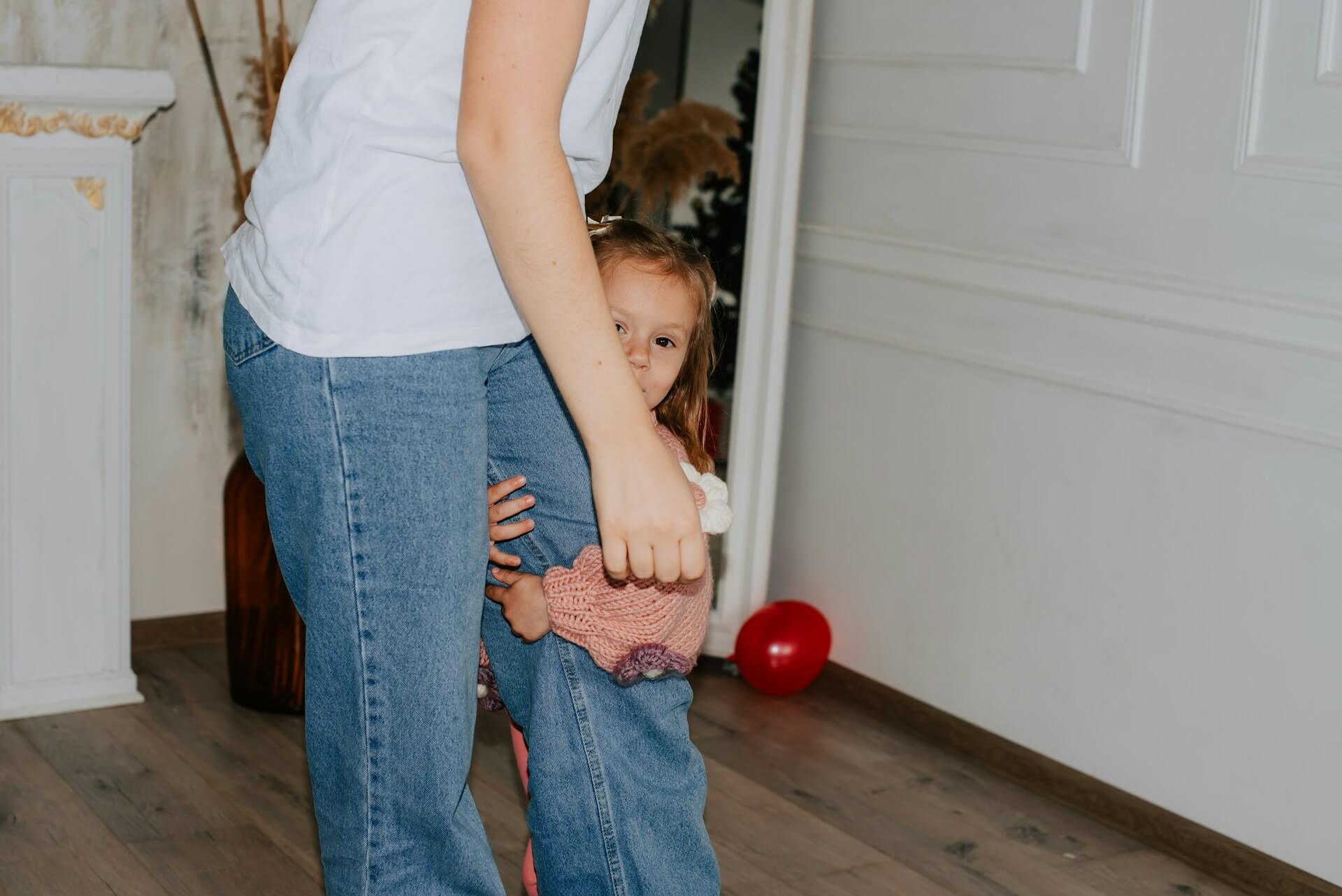
Separation anxiety is a stage many children go through, often beginning between six months and three years old. Identifying this early can make a big difference in how it is managed. Children facing separation anxiety might find themselves overwhelmed with worry, especially when away from their parents or primary caregivers. Understanding the signs and knowing how to respond can ease this transition.
The goal is to guide children gently while reassuring them and fostering their independence. Knowing that it is a common experience for many families can be comforting for parents. Here are some practical ways parents can support their children through this period.
Recognizing the Signs of Separation Anxiety
Spotting separation anxiety isn’t always straightforward. Children may cling to their parents or resist separation, making morning drop-offs and new experiences feel more difficult. Some physical symptoms might include stomachaches or headaches, especially when anticipating time apart from a loved one. Noticing these subtle shifts can be key to addressing the situation before it escalates.
Parents might also observe excessive worry in their children about being away from them. For example, a child might repeatedly ask about being picked up on time or express distress over routine activities like school or a sleepover. Even if they’ve done these things before, anxiety may still appear, and that doesn’t mean anything was done wrong. Recognizing these signs empowers parents to respond with patience rather than panic.
Practical Tips for Parents to Manage Separation Anxiety
Helping your child navigate separation anxiety starts with reassurance and routine. Many kids feel less anxious when they know what to expect. Here are a few strategies that can make a difference:
1. Establish a steady routine. Predictability helps reduce uncertainty. Regular wake-up times, meal schedules, and bedtime rituals give children a sense of control and stability.
2. Create a consistent and positive goodbye ritual. It could be as simple as a high-five, a hug, or a waving routine. Keep it brief and upbeat to avoid drawing out the moment of separation.
3. Gradually increase separation time. Start with shorter periods apart and build up. This could mean leaving your child with a trusted friend or caregiver while running a short errand. Over time, they learn you always return.
Being calm and confident during departures can model the reaction you hope to see in your child. Your tone and facial expressions communicate more than words. When you project a sense of calm and safety, children often mirror that emotional state.
Emotional Support and Counseling Options
In some cases, a child’s separation anxiety continues even with these routines in place. When it interferes with activities like school, friendships, or daily life, it may be a sign that added support is needed. This is where emotional support and counseling can play an important role.
Speaking with a counselor for teens in Winter Garden can give your child a neutral space to safely express their feelings. Although childhood separation anxiety is often associated with younger kids, older children and teens can also experience it but may show their worry in different ways. They might complain of aches, withdraw from social activities, or seem unusually quiet or tense before leaving home.
A trained counselor can help identify emotions that may be contributing to the anxiety and work with the child and family to develop helpful coping strategies. Therapy can provide tools like self-soothing techniques, mindfulness, or even structured exposure plans that gently help your child practice being away from you in manageable steps.
Equally important is the emotional environment at home. Parents create a foundation of trust every day. By listening without always trying to solve, validating feelings, and remaining available during tough transitions, caregivers offer security that kids hold onto even when apart.
When To Seek Help From A Professional
Most children eventually adjust with time, routine, and support. But sometimes anxiety lingers longer or surfaces more intensely. If you notice that your child:
– Avoids daily activities like school, daycare, or playdates due to fear of separation
– Frequently complains of stomachaches, headaches, or other physical symptoms
– Expresses repeated worry that something bad will happen while you’re apart
– Can’t sleep or insists on sleeping next to you night after night
– Reacts with extreme meltdowns, panic, or distress during departures
…it may be time to connect with a mental health provider. Professional counselors are skilled at working through these patterns with both children and parents, encouraging consistent strategies that can reduce distress and help everyone feel more confident.
At Winter Garden Wellness, our experienced team takes a compassionate, personalized approach. We know that no two families are the same, and we aim to meet each child where they are. Counseling is not about pushing independence too soon, but rather giving children the space and support to find it in their own time.
Helping Your Child Grow Long-Term Confidence
Overcoming separation anxiety takes time, patience, and steady care—but the rewards reach far beyond the early years. As kids learn they can handle being apart and trust that their family is still there for them, they begin to carry a quiet confidence into school, friendships, and other new experiences.
Small actions each day encourage this confidence. Getting dressed, brushing teeth, or packing a school bag are not just routines—they’re chances for children to take ownership of part of their day. Offering praise and encouragement along the way reinforces their progress.
Independence is not about doing things alone all at once. It’s about knowing someone believes in you even when you feel unsure. That belief, shown through consistent support, balanced responsibilities, and open conversations, sets children up for strength that lasts.
If setbacks arise—and they often do—having a supportive plan and knowledgeable guidance can prevent old fears from taking too strong a hold. Whether it’s through counseling sessions, family strategies, or just having a place to talk things through, Winter Garden Wellness is here to walk alongside you. Together, we help children not only reduce their anxiety but build skills they’ll carry for a lifetime.
If your child has been struggling to adjust or shows signs that extra help may be needed, working with a trusted counselor for teens can make a meaningful difference in how they cope and grow. At Winter Garden Wellness, we’re here to support families in creating lasting changes that build confidence and connection.