
Living with arthritis can make even simple tasks feel harder than they should. Whether it’s typing on a keyboard, buttoning a shirt, or climbing steps, joint pain can chip away at comfort and independence. The stiffness, swelling, and discomfort that come with arthritis often show up with little warning and seem to linger longer than welcomed. Over time, this pain may lead to less movement, which only adds to the problem.
Some people turn to medication, while others search for natural ways to ease their symptoms. One helpful method that keeps coming up in conversations around arthritis care is massage therapy. From calming tight muscles to supporting better joint flexibility, massage might be more than just relaxing—it could be part of managing everyday discomfort in a hands-on way.
How Massage Therapy Helps With Arthritis
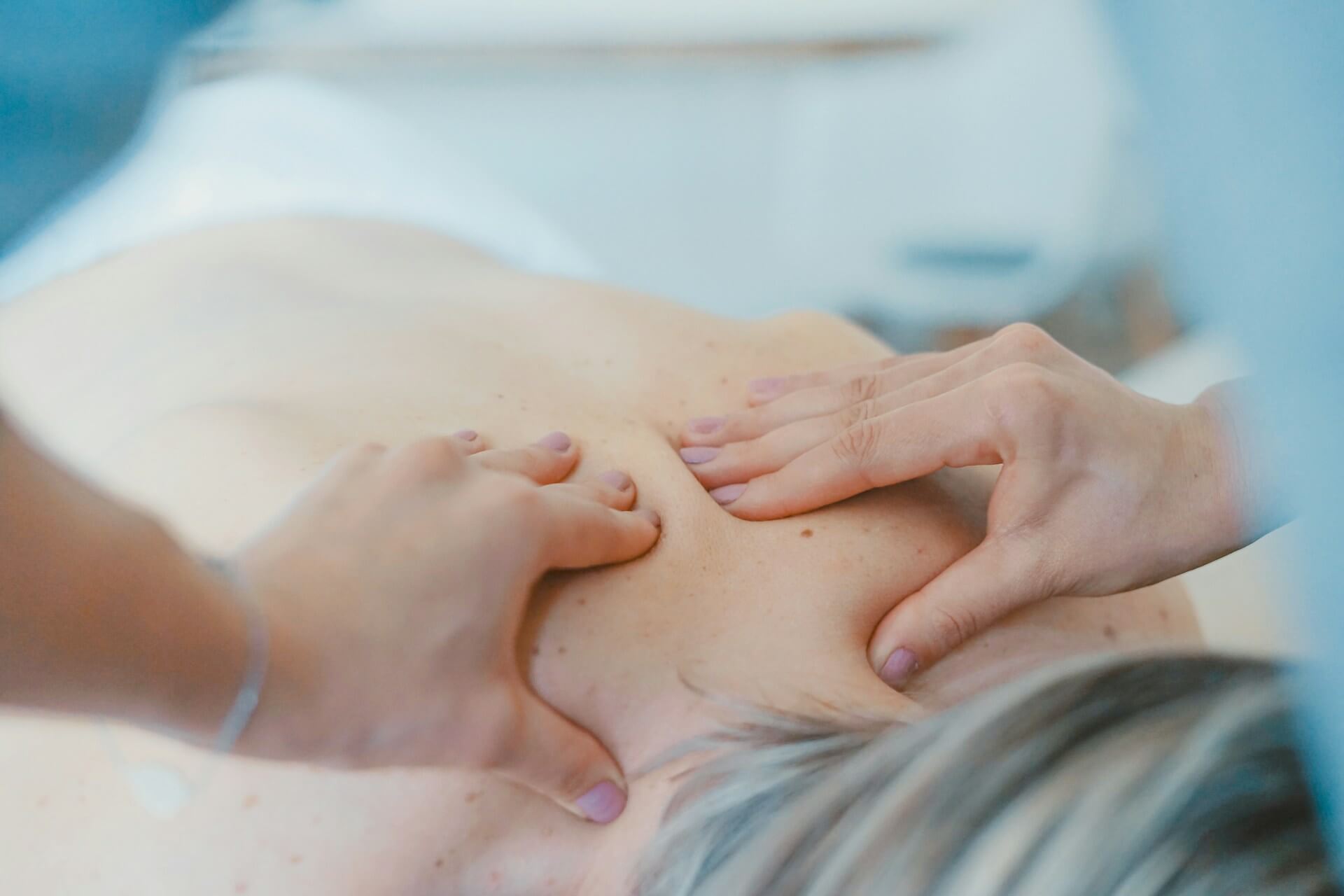
Massage therapy is about more than just feeling good. For those with arthritis, it can be a focused approach to help the body move and feel better over time. The idea behind it is fairly straightforward. A trained massage therapist works directly with muscles and soft tissues to encourage better circulation, loosen tense areas, and support joint mobility. When done regularly, massage may help reduce stiffness from inactivity and break the cycle of pain that keeps you from moving.
People often report that after a session, they feel lighter, more at ease, or more in control of how their body moves. This makes it easier to do everyday tasks or even take on physical therapy or light exercise routines. The results will differ from person to person, but consistent sessions can become part of a broader plan to help manage pain.
Here are a few ways massage might help with arthritis-related discomfort:
– Helps loosen tight muscles around inflamed joints
– Encourages better blood flow, which supports healing
– Offers a break from the stress and anxiety that chronic pain creates
– Prepares the body for movement by reducing tension
– May improve sleep by helping you feel more relaxed at night
Massage doesn’t fix the source of arthritis, but it often brings relief that can shift how someone lives with it daily. For people tired of just getting by, hands-on support can offer fresh hope.
Types Of Massage Techniques For Arthritis Relief
There isn’t just one kind of massage. Depending on your level of pain, flexibility, and how your joints are doing, some massage techniques may work better than others. What matters most is choosing a method that feels right for your body and supports your comfort.
Here are three common massage approaches that often work well for arthritis relief:
1. Swedish Massage: Known for its gentle strokes and flowing movements, this technique is great for first-timers or for those with mild arthritis symptoms. It aims to loosen up muscles without putting too much pressure on the joints, making it a calming option when flare-ups happen.
2. Deep Tissue Massage: This method uses slower strokes and more firm pressure to target deeper muscle layers. It may be helpful if arthritis has led to tightness in surrounding areas. It’s not always recommended during active flare-ups, but during more stable periods, it can help with mobility and strength.
3. Trigger Point Therapy: Focused on releasing tension in specific muscle groups, trigger point therapy can help when pain is coming from tight bands within the muscle. It’s usually applied in short bursts of pressure, which can create soreness at first but may ease daily discomfort.
Each technique has different goals. When matched with the right timing and comfort level, it can offer meaningful support. Whether you prefer an overall calming experience or a more intense release of muscle tension, your comfort and communication with your therapist are key.
Choosing A Medical Massage Therapist
When you’re looking for a massage therapist to help with arthritis pain, it’s worth taking your time to find someone who understands what you’re going through. Not every therapist works with arthritis clients often, so it helps to ask the right questions before setting up an appointment. The goal is to feel safe, supported, and comfortable—both during the massage and afterward.
Start by finding a therapist who is trained in working with people who have chronic pain or joint issues. Look for someone with experience in medical massage, as they’re often more familiar with adjusting techniques to match the body’s condition at any given time. An experienced medical massage therapist knows how to avoid putting too much pressure on sensitive joints and how to target surrounding muscles for more balanced relief.
Here are a few helpful things to ask when you’re evaluating a therapist or clinic:
– Do you have experience working with clients who have arthritis?
– What types of massage do you recommend for chronic pain or joint stiffness?
– How do you adjust your technique during flare-ups or more painful days?
– Are you comfortable working with medical professionals or physical therapists if needed?
Also, pay attention to how your body feels during a session. A skilled therapist will listen to your feedback, check in with you throughout the appointment, and encourage open communication. If something doesn’t feel right during the massage, it’s perfectly okay to speak up.
What To Expect During A Massage Therapy Session
People often feel nervous before their first massage, especially if they’re already dealing with chronic pain. Knowing what to expect can ease some of that tension. A typical session begins with a short conversation. The therapist might ask about your health, how you’re feeling that day, and what areas need attention. You’ll have privacy to get comfortable before the session starts, and your body will be covered with a sheet or towel, except for the area being worked on.
In a session geared toward arthritis relief, the therapist will use slower, controlled movements and might spend more time on specific joints or muscle groups. Pressure will vary depending on your comfort and the technique being used. For example, during a Swedish massage, the focus is usually on relaxation, while a deep tissue session might involve stronger pressure in specific zones.
Before your appointment, you can prepare by:
– Drinking water to stay hydrated
– Wearing loose, comfortable clothes
– Arriving early to avoid feeling rushed
– Letting your therapist know about any current pain levels
Afterward, plan to take it easy. You might feel a little sore, especially if tight muscles were worked more deeply. Gentle movement, warm showers, and staying hydrated can help your body ease into those changes. Some people notice they sleep better or move more freely in the days following a massage.
Restore Comfort And Mobility With Massage Therapy
Living with arthritis can wear on both the body and the mind. It’s easy to feel like pain is calling the shots, shaping your routine and limiting your options. But massage therapy can offer small, steady openings—moments where stiffness eases and movement feels possible again.
With the right therapist and techniques, massage becomes more than a time to relax. It turns into a tool you can count on to feel more in tune with your body and more in control of your days. Whether you’re hoping for better sleep, less tightness in the morning, or just a better stretch without wincing, incorporating massage into your care routine can be a solid place to start.
If you’re looking for a natural way to manage joint discomfort, working with a qualified medical massage therapist can make a meaningful difference. At Winter Garden Wellness, we tailor every session to your comfort level so you can move with more ease and feel more like yourself again.