
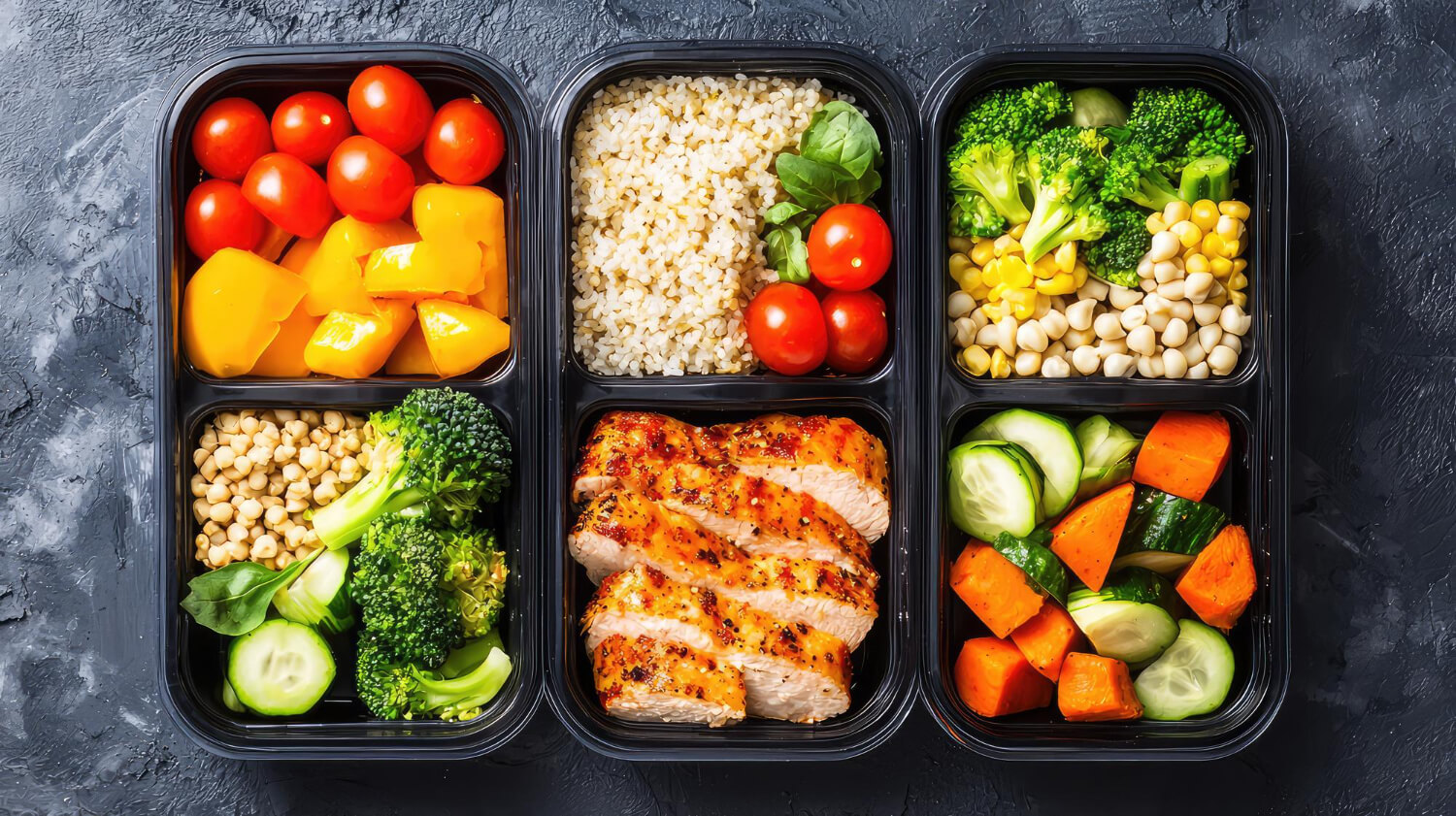
When workdays are packed and time feels short, meal planning can fall to the bottom of the priority list. But planning ahead isn’t about following a strict diet. It’s really just about making life easier and cutting down on stress when it’s time to eat. Strong planning gives your meals structure without needing to think about what to cook every day. It can also help save time, cut down on waste, and encourage better choices.
Busy schedules don’t always leave much room to focus on what goes on the plate. That’s where having a simple, flexible strategy for nutrition and diet planning can help. Whether your aim is to eat more balanced meals or stop defaulting to fast takeout, forming a plan that works for your lifestyle can be a game changer. You don’t have to be a food expert or spend your Sundays measuring out meals—you just need a plan that fits your life.
Understanding Your Schedule
The best meal plan is the one that fits into your life without adding extra stress. That starts with recognizing how your week typically flows. Do mornings fly by in a rush? Are evenings crammed with meetings or helping the kids with homework? Knowing where your free minutes are makes it easier to figure out when you’ll actually have time to cook or even prep ingredients.
Here’s how to start shaping a plan around your routine:
1. Use a weekly calendar to spot windows of free time, even short ones.
2. Block one or two short sessions a week to prep food. They don’t have to take long.
3. Consider your meal mood. Are mornings easier for smoothies, or do you prefer a warm breakfast cooked the night before?
4. Think about lunch. Do you have time to reheat something, or does it need to be grab-and-go?
5. Reserve one night for leftovers or something super simple like a sandwich night.
One example might be slicing all your veggies for the week on Sunday evening, so you just grab and cook when you’re ready later in the week. Another easy habit is doubling up on a favorite meal one night and saving the leftovers for lunch the next day. These little time-saving tricks add up quickly.
Essential Tools For Meal Planning
Now that your mealtimes have some structure, it’s time to look at the tools that can help streamline your plan and make prep easier. You don’t need a kitchen full of gadgets. Just a few reliable items and some helpful digital tools can lighten the load.
Some kitchen helpers that make planning and prep easier:
– A reliable set of food storage containers to keep ingredients fresh
– A slow cooker or pressure cooker for quick meals with little effort
– A meal planner notebook or whiteboard for visual organization
– Measuring cups, a decent knife, and a cutting board for faster prep
– A lunch box or reusable to-go container for portable meals
Apps can also make a real difference. Some sync your grocery list with your weekly meal plan, cutting down on wasted time at the store. A few even let you save and repeat favorite meals with just one tap. Taking a few minutes to browse recipes and schedule your meals digitally can make the week feel more manageable from the start.
Don’t aim for perfection, just aim to make things smoother. A couple of go-to tools and a plan you can see in one place goes a long way toward keeping mealtime from becoming a frustration point.
Creating Balanced Meals That Work for You
A solid meal plan should support your energy, keep your stomach full, and fit your day-to-day routine. You don’t have to follow a complex formula. Keeping meals balanced just means mixing nutrient types in a way that works for you. Aim to include foods like protein, carbs, and healthy fats, along with fruits or vegetables, in each meal when possible.
Here’s a simple way to build balanced meals:
– Protein: grilled chicken, eggs, beans, Greek yogurt, or turkey
– Carbs: brown rice, quinoa, whole grain pasta, or sweet potatoes
– Healthy fats: avocados, nuts, olive oil, or nut butters
– Veggies or fruit: leafy greens, chopped peppers, berries, apples, or carrots
You don’t have to eat these foods in the same form every day. Wrap a mix of chicken, lettuce, and hummus inside a tortilla for a quick lunch. Or toss roasted veggies with pasta and shredded cheese for an easy dinner. Having a few go-to combinations for each mealtime makes the process less frustrating.
To save time, plan for overlap. Roast a tray of veggies once and reuse it in different ways during the week. Make extra rice or quinoa and keep it in the fridge for bowls or stir-fries. Prep isn’t about elaborate meals, it’s about making your food work harder for you with less repeat effort.
Tips For Staying Consistent With Your Meal Plan
Once you’ve made a plan that works with your schedule and stocked your kitchen with the right tools, staying consistent becomes the next focus. It’s easy to start strong and lose momentum, especially when things get hectic. The key is finding systems that support you without needing a lot of energy to maintain.
Try these simple methods to stay on track:
– Pick two to three core meals each week that always get made (like Tuesday tacos or a build-your-own salad)
– Shop on the same day each week so your fridge stays stocked with your go-to basics
– Keep your meal plan visible—like on the fridge or saved on your phone
– Don’t be afraid to repeat meals. Your meal plan doesn’t have to be exciting every day
– Invite others in your home to help with picking meals or cooking small parts
Consistency also comes from flexibility. If one week doesn’t go as planned, no problem—just reset. Rigid plans are harder to stick to, especially if your work schedule shifts. It’s better to adjust and keep going than to drop the routine completely.
Turning Meal Planning Into a Habit
Over time, the more you sync planning with your weekly flow, the more natural it becomes. Small habits, like cooking enough dinner for tomorrow’s lunch or prepping veggies while the oven preheats, build into a rhythm. These little touchpoints connect your routine with your food without needing a total lifestyle change.
Think of meal planning like brushing your teeth. It’s a repeated task that supports your health without taking over your day. Building it into your normal routine—even if it’s just jotting meals in your planner every Sunday night—keeps it present and consistent. You won’t always get it right, but right isn’t the goal. Ease and nourishment are.
Each week offers a new chance to improve it, just a little. One step at a time is plenty.
Fuel Your Day With Smart Choices
Meal planning isn’t about sticking to tight rules. It’s about knowing what you’re eating and making decisions ahead of time that help you feel better through the week. By thinking through your schedule, setting up a few tools, and keeping your meals simple and balanced, you make it easier to choose what’s right for your day without rushing or guessing.
Even small efforts toward a plan will help ease stress, cut down on impulsive meals, and support better habits. With a system that works for your life, meals stop feeling like tasks and start acting more like fuel. When food decisions are handled ahead of time, that brain space is freed for work, family, and rest—exactly where you want to spend your time.
Ready to take your meal planning to the next level? Find out how thoughtful nutrition and diet planning can simplify your weekly routine and support smarter food choices. At Winter Garden Wellness, we’re here to help you build a plan that works with your schedule and lifestyle—so healthy eating feels easier every day.