
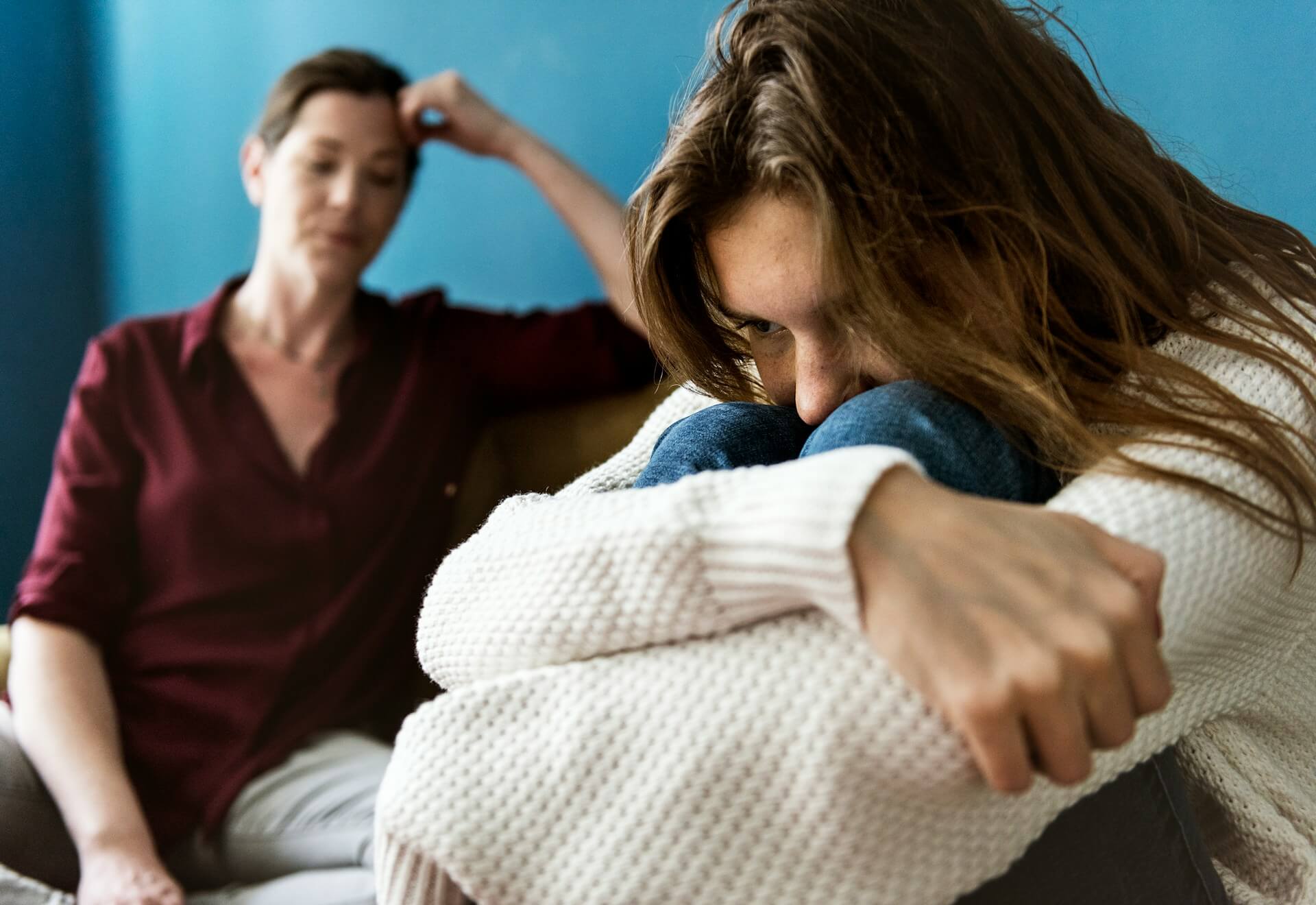
Teen life comes with a lot of stress. School, friends, sports, hobbies, and social media can all feel heavy at times. For many teens, this stress comes and goes, and they are able to bounce back after a rough week or a tough test.
Sometimes, though, something really hard happens and that stress does not fade. A car accident, serious bullying, a scary medical issue, or losing someone important can leave a teen feeling stuck on high alert. That is when we start to wonder if we are seeing post-traumatic stress disorder in teenagers, not just “typical” teen stress.
PTSD is a mental health condition that changes how the brain and body respond to reminders of trauma. It is not just being upset by a bad memory. It is when the nervous system keeps acting like the danger is still happening, even when life looks calm on the outside. Around late winter and early spring, with testing season, spring sports, performances, and more social pressure, these symptoms can grow stronger, especially for teens here in Central Florida who are always on the go.
At our counseling practice, we care a lot about helping families notice these signs early. When teens and parents can name what is going on, they can also start to heal in a way that feels personal, private, and supportive for the whole family.
What PTSD Looks Like in Today’s Teenagers
Post-traumatic stress disorder in teenagers can start after many kinds of events that felt scary, shocking, or deeply unsafe. For some teens, there was one clear moment. For others, it was a pattern over time.
Common triggers can include:
• Serious accidents or injuries
• Medical emergencies or ICU stays
• Ongoing or past abuse
• School or community violence
• Intense online bullying or harassment
• Witnessing domestic conflict at home
• Sudden loss of a loved one or close friend
Teens do not always show PTSD the way adults do. Many are trying hard to act like everything is fine. Instead of saying, “I am scared all the time,” you might notice irritability and “attitude” that feels out of nowhere, or a teen who acts tough and jokes about dark topics. Some shut down in conversations and give one-word answers, while others make risky choices with driving, sex, or substances. You may also see heavy sarcasm or cruel humor, pulling away from family while staying up late on screens, or even a teen saying they “don’t remember” parts of what happened.
Some teens become overachievers. They chase perfect grades, perfect sports records, or perfect behavior, trying to keep everything under control. Others hide in constant screen time, scrolling or gaming for hours to avoid their thoughts. From the outside, it can look like normal teen life. On the inside, they may feel scared, angry, or lost.
These reactions are not a sign of weakness or drama. They are signs that a teen’s nervous system has been overwhelmed and is trying hard to protect them. When we understand this, it becomes easier to respond with care rather than judgment.
Emotional and Physical Signs Parents Should Not Ignore
Parents know their kids best. Often, you can feel when something has shifted, even if you cannot name it yet. Certain emotional and physical signs are worth slowing down for, especially if they started after a difficult event.
Emotional signs you might notice include strong mood swings that switch quickly, anger outbursts that seem out of proportion, and panic, crying spells, or sudden clinginess. A teen may lose interest in friends or favorite activities, say they feel numb or “nothing at all,” or get stuck in intense guilt, shame, or self-blame.
You may also see changes in thinking and school behavior. That can look like trouble focusing or daydreaming in class, grades dropping or homework left undone, and more absences or trips to the nurse. Some teens have nightmares that make them tired at school, or worries like “I am not safe anywhere” or “Nothing will ever get better.”
PTSD often shows up in the body too. The nervous system that is on high alert can lead to:
• Chronic headaches or stomachaches
• Big changes in appetite or eating habits
• Trouble falling asleep or staying asleep
• Jumpiness at loud noises or sudden movement
• Avoiding certain places, hallways, or people
• New self-harm, risky behavior, or substance use
As we move toward spring break, state testing, sports tournaments, and events like dances or performances, stress naturally rises. For a teen already dealing with trauma, these extra pressures can make symptoms worse. They may feel more on edge, more shut down, or more reactive, even if the original event happened months ago.
How Counselors Help Teens Heal From Trauma
When parents start to see these signs, they often feel unsure what to do. A mental health counselor can help by slowing everything down and gently sorting through what is going on.
Counselors who work with teens and trauma often:
• Talk with the teen in a calm, private space
• Use trauma-informed questions and screening tools
• Listen for patterns in thoughts, feelings, and behaviors
• Work together with parents, and when helpful, schools or doctors
There are different counseling methods that can support teens with trauma. Many approaches focus on helping the teen feel safe first, then slowly working with the memories and body reactions at a pace they can handle. These can include:
• Cognitive tools that help challenge scary thoughts and build coping skills
• Trauma-focused methods that help process what happened more directly
• EMDR and other approaches that support the brain’s natural healing process
• Mindfulness, breathing, and grounding exercises
• Expressive outlets like art, music, writing, or movement
The relationship itself is a big part of healing. Teens need a space where they are not pressured to share every detail at once, and where they are not punished for how they are coping now. Over time, counseling can also help parents understand what helps and what hurts, so family life starts to feel safer again.
When care is offered in a flexible, concierge-style way, families can get support that fits their real schedule and needs. That might mean more coordination with home, school, or medical providers, or more support for siblings or caregivers, not just the teen.
Supporting Your Teen at Home and School
Home is often where healing starts. Parents cannot erase what happened, but you can create a softer landing place for your teen.
Some simple ways to support your teen at home:
• Listen more than you lecture
• Avoid pushing for details about the trauma
• Use phrases like “It makes sense you feel this way after what happened”
• Keep routines around sleep, meals, and homework as steady as possible
• Offer choices: “Do you want to talk, take a walk, or just sit together?”
School is another key part of your teen’s life. Working with teachers, school counselors, and coaches can help create safer, calmer days. You do not have to share everything to get support. Often it helps to share only what is needed about the trauma, not every detail, and to talk through practical adjustments that reduce pressure and increase a sense of safety. For example, you might request extra time or a quieter test space, ask for flexible seating if a certain spot feels unsafe, and discuss a plan for what to do if your teen gets overwhelmed in class or practice.
Caring for a teen with trauma can bring up a lot for parents too. You might feel scared, angry, guilty, or worn out. Paying attention to your own mental health is not selfish; it is part of your teen’s support system. Many caregivers find it helpful to have their own counselor, a support group, or trusted friends to talk with.
As spring activities, trips, and social plans grow, it can help to sit down with your teen and plan ahead. Look at the calendar together and talk about:
• Which events feel OK
• Which feel too intense or crowded
• Where they might need breaks or early exits
• How to build in “recovery time” after big days
When teens feel they have some control and support, they are more likely to stay engaged and less likely to feel trapped by expectations.
Taking the Next Step Toward Healing Together
Recognizing possible post-traumatic stress disorder in teenagers is not about labeling your child. It is about understanding why they are hurting and what could actually help. Early counseling support can keep symptoms from growing and can restore some hope, trust, and connection at home.
At Winter Garden Wellness, we meet teens and families where they are, with care that honors your unique story and pace. No one needs to untangle trauma alone. With the right support, many teens begin to feel safer in their own minds and bodies again, and family life can start to feel a little lighter, one step at a time.
Help Your Teen Heal From Trauma With Compassionate Support
If your family is struggling with post-traumatic stress disorder in teenagers, we are here to help you navigate the next steps with clarity and care. At Winter Garden Wellness, we work collaboratively with teens and their caregivers to create a treatment plan that feels safe, respectful, and attainable. Reach out to contact us so we can talk about what your teen is going through and how we can support their healing. Together, we can take the first steps toward relief and a more hopeful future.