
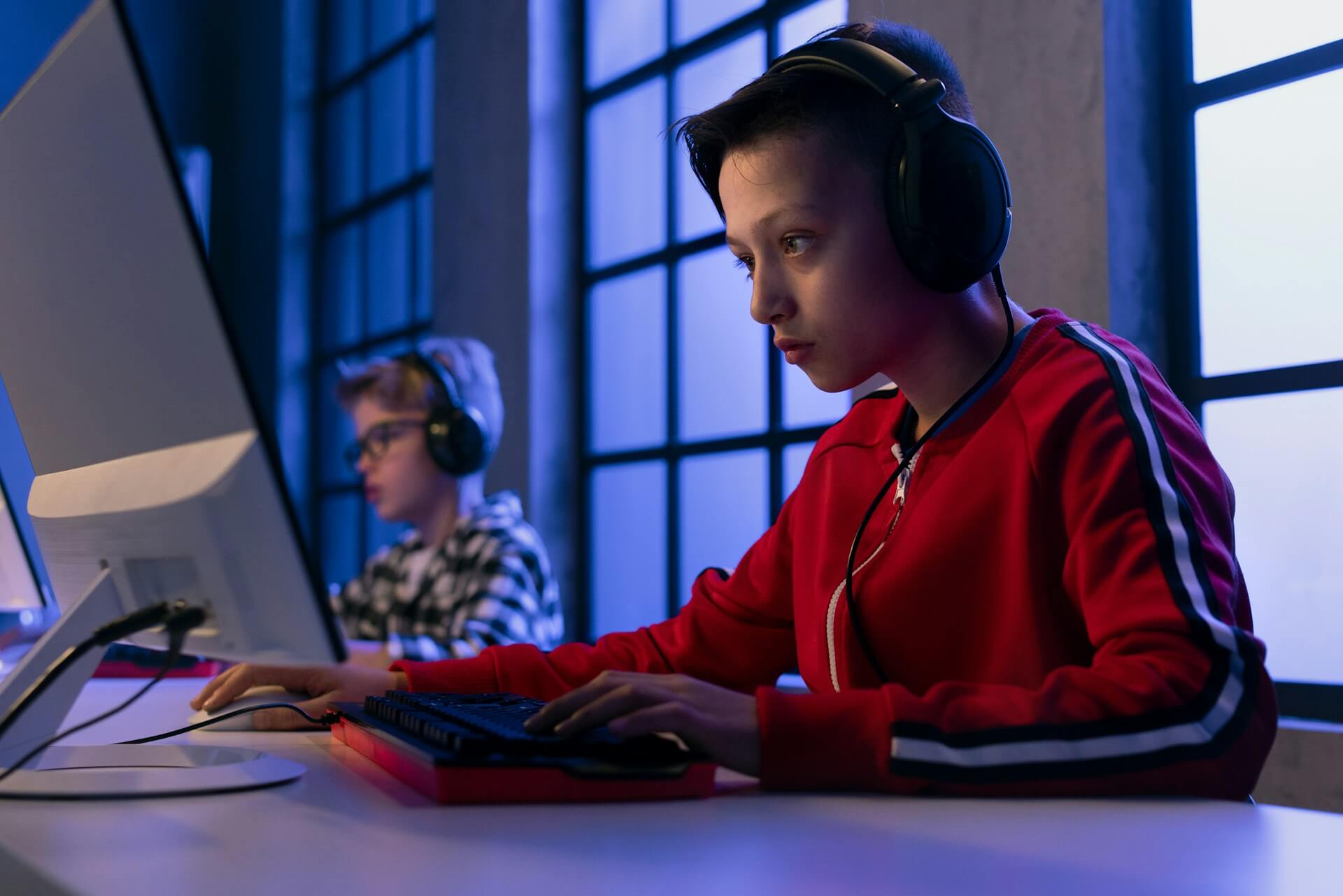
When Teen Anxiety and Gaming Take Over Summer Break
Summer break can seem like the perfect reset for a stressed-out teen. No early alarms, no homework, more time with friends. But for many families, that first week of freedom slowly shifts into all-night gaming, sleeping past noon, and growing tension at home. What started as “they deserve a break” begins to feel like “we have lost our kid to a screen.”
For some teens, anxiety and gaming start feeding each other once school routines disappear. Less structure, more free time, and changing social expectations can make gaming feel like the safest place to hide. In this article, we are talking about how that cycle works, what signs to look for, and how a counselor for teens can help the whole family reset summer patterns in a calmer, more caring way.
How Summer Opens the Door to Gaming Overload
When school is out, a lot of the daily structure disappears. There are no bells, no classes, no steady schedule. That can sound great at first, but it also opens the door to habits that are hard to pull back from. Families often notice a handful of predictable shifts that make gaming easier to default to and harder to interrupt:
- Staying up later and losing a regular bedtime
- Less face-to-face time with friends and adults
- Fewer planned activities, sports, or clubs
- Long stretches of unplanned, unsupervised time
For an anxious teen, gaming can feel like a quick fix because it offers relief and predictability when everything else feels uncertain. It may take their mind off social stress, block out worries about grades or the next school year, give them a sense of control and achievement, and offer connection without the pressure of in-person contact.
The problem is that what helps for a moment can create bigger struggles over time. When gaming starts to move from a fun hobby into a mental health concern, you might notice specific behavior changes such as:
- Irritability or anger when asked to log off
- Lying or hiding how long they have been playing
- Ignoring hygiene, meals, or basic self-care
- Dropping hobbies they once loved
- Choosing screens over any offline activity, even ones they used to enjoy
These signs are not about a “bad kid.” They are usually signs of a teen who is overwhelmed and does not yet have the tools to cope in a different way.
When Anxiety and Gaming Addiction Collide
Anxiety and heavy gaming can quickly turn into a loop that feels hard to break. In many families, the cycle follows a familiar pattern:
- Teen feels anxious, lonely, or stressed
- Teen games to feel calmer or more in control
- Sleep, mood, and real-life relationships start to suffer
- Teen feels even more anxious, ashamed, or behind
- Teen games more to escape those new feelings
Social anxiety plays a big role for many teens. Talking in class, hanging out in person, or trying new things can feel scary. Online games and communities might seem safer because they reduce the intensity of face-to-face interaction and give teens more control over how they show up. For example:
- There are clear rules and roles
- You can mute, leave, or switch games
- You do not have to show your face or body
- You can reinvent yourself to feel braver or cooler
At the same time, online spaces can bring their own stress. Teens can run into challenges like:
- Cyberbullying or exclusion
- Pressure to perform well in games or keep up with others
- Harsh comments or comparisons
- Fear of missing out if they are not always online
There are some clear red flags that suggest it is time to find a counselor for teens. In particular, watch for:
- Panic symptoms, like racing heart, trouble breathing, or feeling like something terrible is about to happen
- Intense mood swings linked to gaming, such as going from calm to rage very quickly
- Talking about self-harm or saying life is not worth it
- Refusing to leave the house, even for things they used to enjoy, like favorite restaurants, hobbies, or time with trusted friends or family
When these signs show up, it is not about blame. It is about giving your teen more support than you can offer at home alone.
How Counseling Helps Teens Reset Summer Patterns
A counselor for teens does more than say “play less.” We look underneath the gaming to see what your teen is really trying to cope with. Often, heavy gaming is a signal that something feels too hard to handle directly, such as:
- Perfectionism and fear of failure
- Past experiences of bullying or being left out
- Family changes, such as divorce or new relationships
- Big transitions, like starting middle school, high school, or thinking about college
In counseling, we often use approaches that give teens practical tools they can apply in real life. Common methods include:
- Cognitive behavioral therapy (CBT) to help your teen notice and challenge anxious thoughts such as “Everyone thinks I am weird” or “If I am not the best, I am nothing”
- Gradual exposure for social fears, taking very small steps toward real-life situations instead of jumping in all at once
- Emotional regulation skills, like grounding exercises, breathing, and body awareness, to help manage urges to game when feelings spike
We also bring parents into the process, because home routines and expectations shape what happens during summer break. Together, we can create summer routines that feel realistic, not rigid. That often looks like:
- Setting a steady sleep and wake time most days
- Planning blocks of gaming time alongside breaks for food, movement, and hygiene
- Building in regular offline activities your teen chooses, not just what adults pick
- Including calming self-care like reading, drawing, stretching, or quiet time outside
The goal is not a perfect schedule. The goal is a rhythm that protects your teen’s mental health and gives them tools they can use long after summer is over.
Supporting Your Teen at Home Without Power Struggles
Power struggles around gaming can drain everyone. It can help to shift from “controlling the game” to “understanding the need,” because many teens are using gaming to manage feelings they do not yet know how to manage yet. A counseling-informed way to talk with your teen might include:
- Asking curious questions, such as “What do you like most about gaming?” or “When do you feel the urge to play the most?”
- Validating their feelings, such as “I see that gaming helps you feel less stressed”
- Naming your concern around health, not morals, such as “I am worried about your sleep and mood, not about you being a gamer”
Family strategies that support mental health in summer can include:
- Tech-free anchors in the day, like breakfast, dinner, or an evening walk
- Low-pressure social time, like inviting one friend over instead of big group events
- Parents modeling healthy screen habits, such as setting their own phone aside during meals
Sometimes home strategies are not enough, especially if conflict escalates or your teen’s behavior becomes more secretive or unsafe. You might notice:
- Ongoing arguments that do not resolve
- Sneaking devices at night or hiding screens
- Aggressive or risky behavior when limits are set
When this happens, a therapist can act as a neutral, caring voice. In our work, we help teens feel heard and respected while also helping parents feel less alone and more supported in setting healthy limits. Together, families can shift from constant conflict to shared problem-solving, even when they do not fully agree.
Help Your Teen Build Confidence And Emotional Resilience
If your family is noticing changes in your teen’s mood, behavior, or motivation, we are here to help create a safe space for them to open up. At Winter Garden Wellness, our counselor for teens can work alongside your child to manage stress, anxiety, and relationship challenges in a supportive, age-appropriate way. Reach out to contact us so we can talk about what your teen is going through and decide together on the next best step.